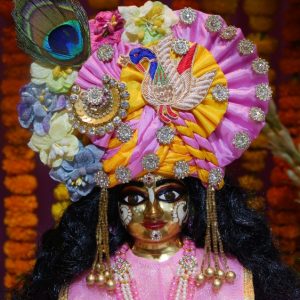
The Satyanarayan Katha is a popular Hindu ritual and storytelling tradition dedicated to Lord Vishnu in his form as Satyanarayan. The word “Satyanarayan” is derived from two Sanskrit words: “Satya” means truth, and “Narayan” is one of the many names of Lord Vishnu. This Katha (narration or story) is usually performed to seek blessings, express gratitude, and invite prosperity and harmony into the lives of individuals and their families.
The Satyanarayan Katha is typically conducted on special occasions like birthdays, anniversaries, weddings, housewarming ceremonies, and other significant events. It is often done on full moon days (Purnima) or during festivals like Purnima (full moon), Chaitra Navratri, and Kartik Purnima.
The ceremony involves the following steps:
1. Preparations: The person or family conducting the Katha makes preparations by cleaning the house and decorating the altar or prayer area with flowers, rangoli, and other traditional decorations.
2. Invocation: The ceremony begins with the invocation of Lord Ganesha and other deities, seeking their blessings and removing obstacles.
3. Satyanarayan Katha: The main storytelling or Katha part begins. A priest or a knowledgeable person narrates the legend of Satyanarayan, which is typically found in the Skanda Purana or other Hindu scriptures. The story revolves around the merits of truth, devotion, and the benefits of performing the Satyanarayan Vrat (a vow of fasting and worship). The Katha is often conducted in the form of a dialogue between the sage Narada and Lord Vishnu.
4. Rituals: During the narration, certain rituals and offerings are made to the deity. These may include offerings of fruits, flowers, incense, ghee lamps, and a variety of traditional sweets like “prasad” or “naivedyam.”
5. Aarti: Towards the end of the Katha, an “Aarti” (ceremonial waving of a lamp) is performed to honor and express gratitude to Lord Satyanarayan.
6. Prasad Distribution: Once the ceremony is complete, the blessed “prasad” is distributed among the participants as a symbol of divine blessings.
The Satyanarayan Katha is considered highly auspicious, and it is believed that performing it with sincerity and devotion can lead to the fulfillment of wishes and the removal of obstacles in one’s life journey.
It’s important to note that regional variations and customs might exist in how the Satyanarayan Katha is conducted, but the essence of the ritual remains the same—to invoke the blessings and grace of Lord Satyanarayan for the well-being and prosperity of the devotees.